Blog
The sofapiano Blog
Tips, grammar explained simply and real-life German — written for learners.
- German Two-Way Prepositions: Wo or Wohin? (Accusative or Dative Made Easy)
 In, auf, an, unter: accusative or dative? Learn the simple Wo or Wohin question behind German two-way prepositions, with verb pairs, examples and common mistakes.
- The 10 Most Common German Mistakes for English and Spanish Speakers (and How to Fix Them)
 The 10 most common German mistakes made by English and Spanish speakers, with wrong and right sentences and a quick fix for each one.
- German Perfekt: When to Use Haben and When to Use Sein
 Haben or sein in the German Perfekt? Learn the simple rule for the past tense, how to build the participle, and the most common mistakes, with clear examples.
- Why “Halb Drei” Means 2:30: German Time Telling Explained
 Does "Es ist halb drei" mean 2:30 or 3:30? Learn how German time telling works, from halb and Viertel to the 24-hour clock, with simple rules and examples.
- Wenn, Als, Ob: The 3-Second Trick to Never Mix Them Up Again
 Wenn, als or ob? Use a simple 3-step trick to pick the right German word for "if", "when" and "whether", with clear examples and common mistakes.
- Mal, Ja, Eben, Halt: The German Filler Words That Make You Sound Native
 Mal, ja, eben, halt, denn, eigentlich: learn the German modal particles that make your German sound natural, with simple rules and everyday examples.
- Kennen vs. Wissen: Two German Ways to Say “I Know”
 Ich kenne Anna. Ich weiß, wo sie wohnt. Learn when to use kennen and when to use wissen, with simple rules and examples.
- Tun in German: The Tiny Verb That Does It All (Do, Hurt, Sorry and More)
 One small verb, three meanings: learn how to conjugate tun and use it in Das tut weh, Es tut mir leid and other everyday phrases.
- German Modal Verbs: Können, Müssen, Wollen and More Explained
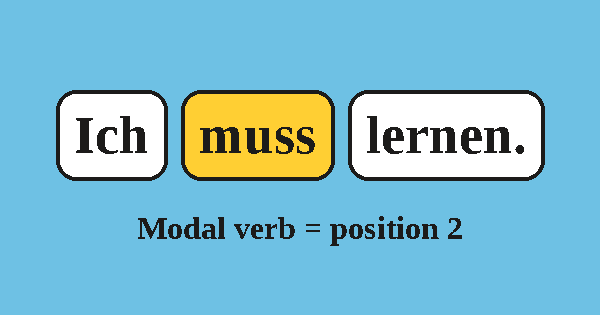 Learn German modal verbs können, müssen, wollen, dürfen, sollen and mögen with simple conjugation tables, word order and example sentences.
- German Separable Verbs Explained
 Ich stehe um 7 Uhr auf. Learn how German separable verbs like aufstehen and anrufen work, with clear rules and examples.
- German Word Order: The Simple Verb-Second Rule
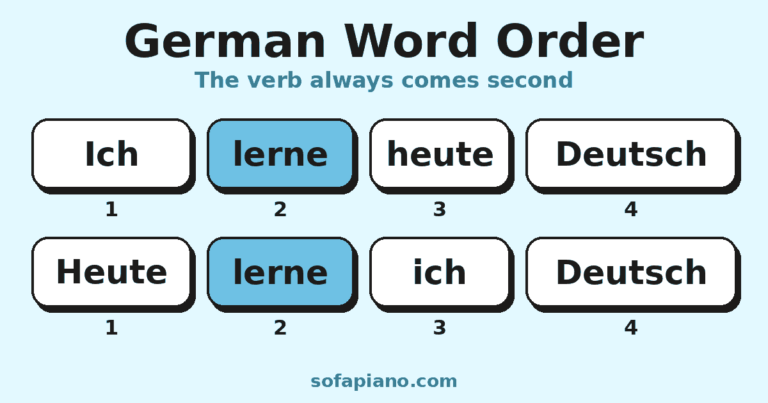 Ich lerne heute Deutsch. Heute lerne ich Deutsch. Understand German word order with one simple rule: the conjugated verb goes in position 2.
- Accusative vs. Dative in German: The Simple Rule That Ends the Confusion
 Ich sehe den Mann. Ich helfe dem Mann. Learn the simple rule that ends the accusative vs dative confusion in German.
- Der, Die, Das: Stop Guessing German Genders (5 Patterns That Actually Work)
 Der, die or das? Stop guessing German genders: about half of all nouns follow clear patterns, and you can learn five of them today.
- Why the Translation Method Is So Good for Learning German
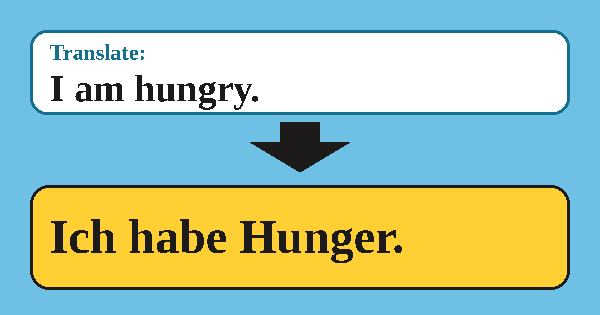 Many teachers say "Don't translate!" but there is a way to learn German by translating that actually trains you to speak. The trick is the direction.
- Always Learn Grammar in Context: Full Sentences with Translation
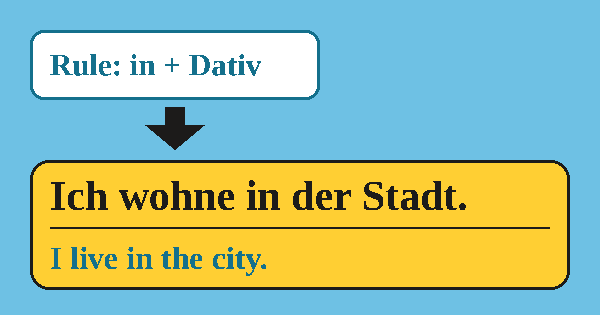 A grammar rule in your head is not the same as a rule in your mouth. Learn German grammar in context with full sentences and translations.
- Stop Memorizing Word Lists: Why You Should Think in Full German Sentences
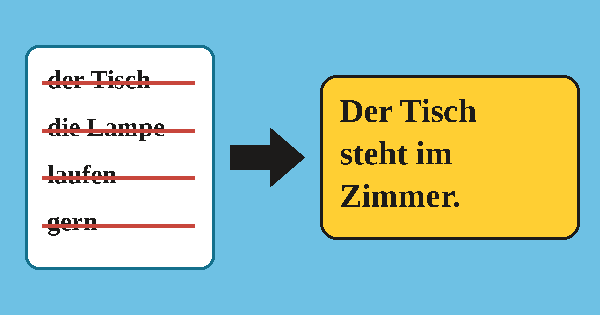 You know 1,500 German words, but your mind goes blank when someone speaks to you? Learn German in full sentences instead of word lists.
- How to Use Doch in German: Meaning, Examples and Rules
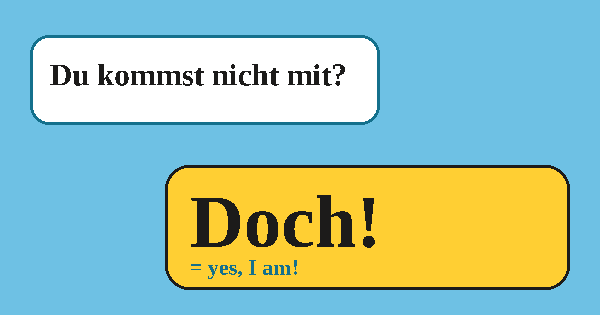 Doch can mean "yes", "but" or "after all". Learn how to use doch in German with clear meanings, examples and rules.
- Write German by Hand: Why Handwritten Sentences Make Vocabulary Stick
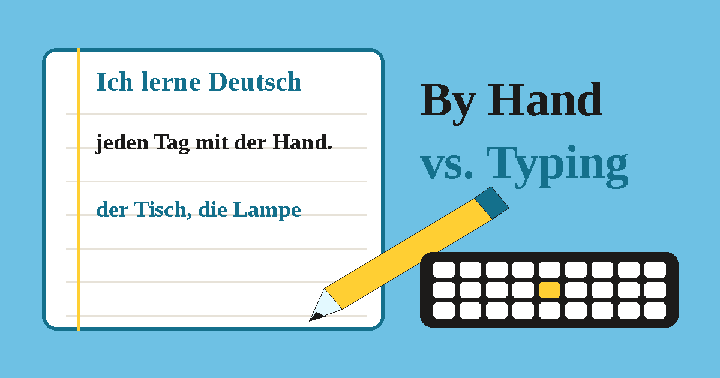 Typing is faster, but handwriting slows you down in a good way. Learn why writing German by hand makes new vocabulary stick.